Commercial Project
Design BriefThe project asked for a commercial showroom for furniture designer and TAMART founder, Amos Goldreich.
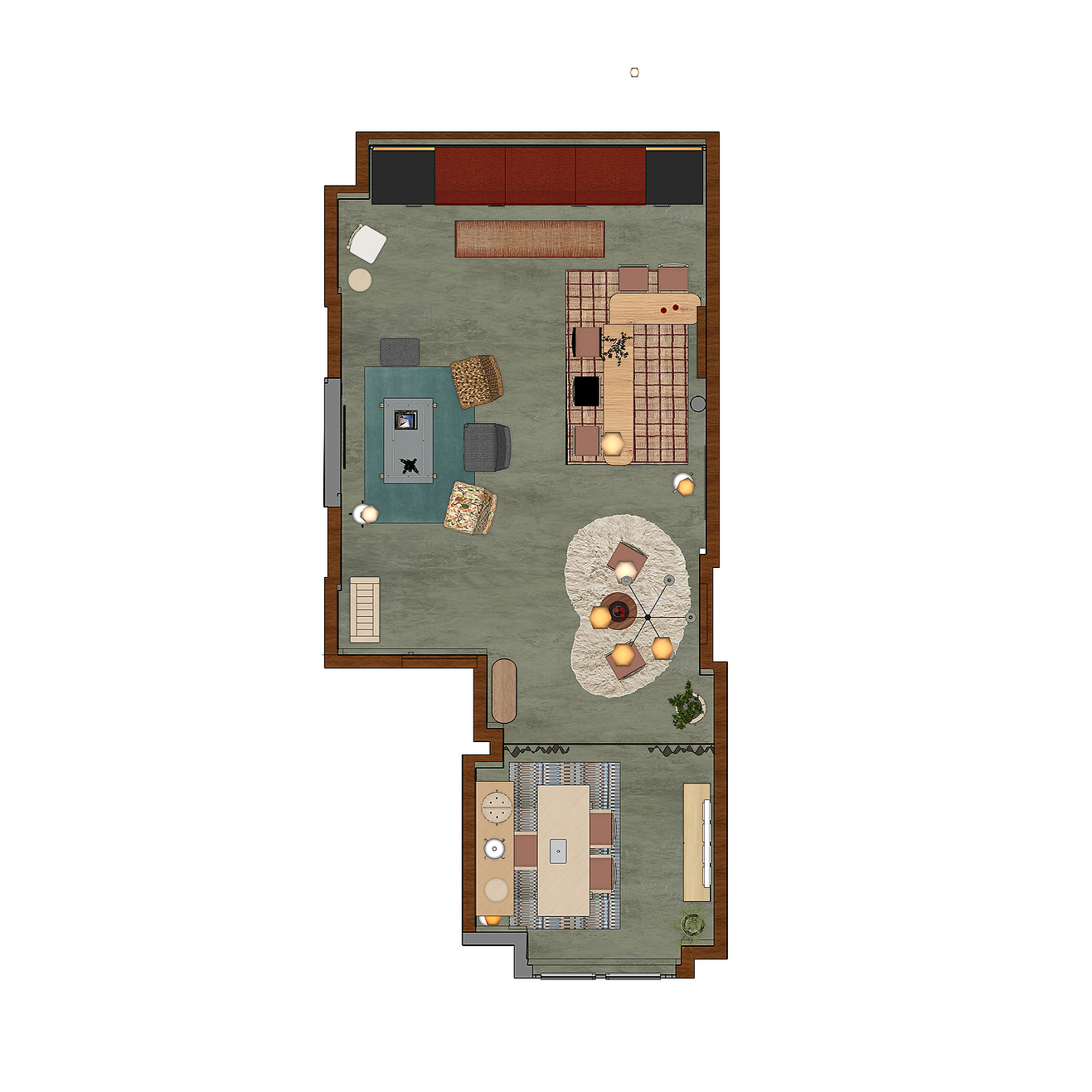
His practice operates at the crossroads of archival research, material exploration, and contemporary production. On a daily basis, this involves a balance of focused design work, client meetings, material and product displays, and the continuous curation of a vast family archive that informs new projects. The live/work space must accommodate all these functions without allowing any single aspect to overshadow the others.
❋ Studio Workspace❋ Ways to showcase furniture❋ Area for Archive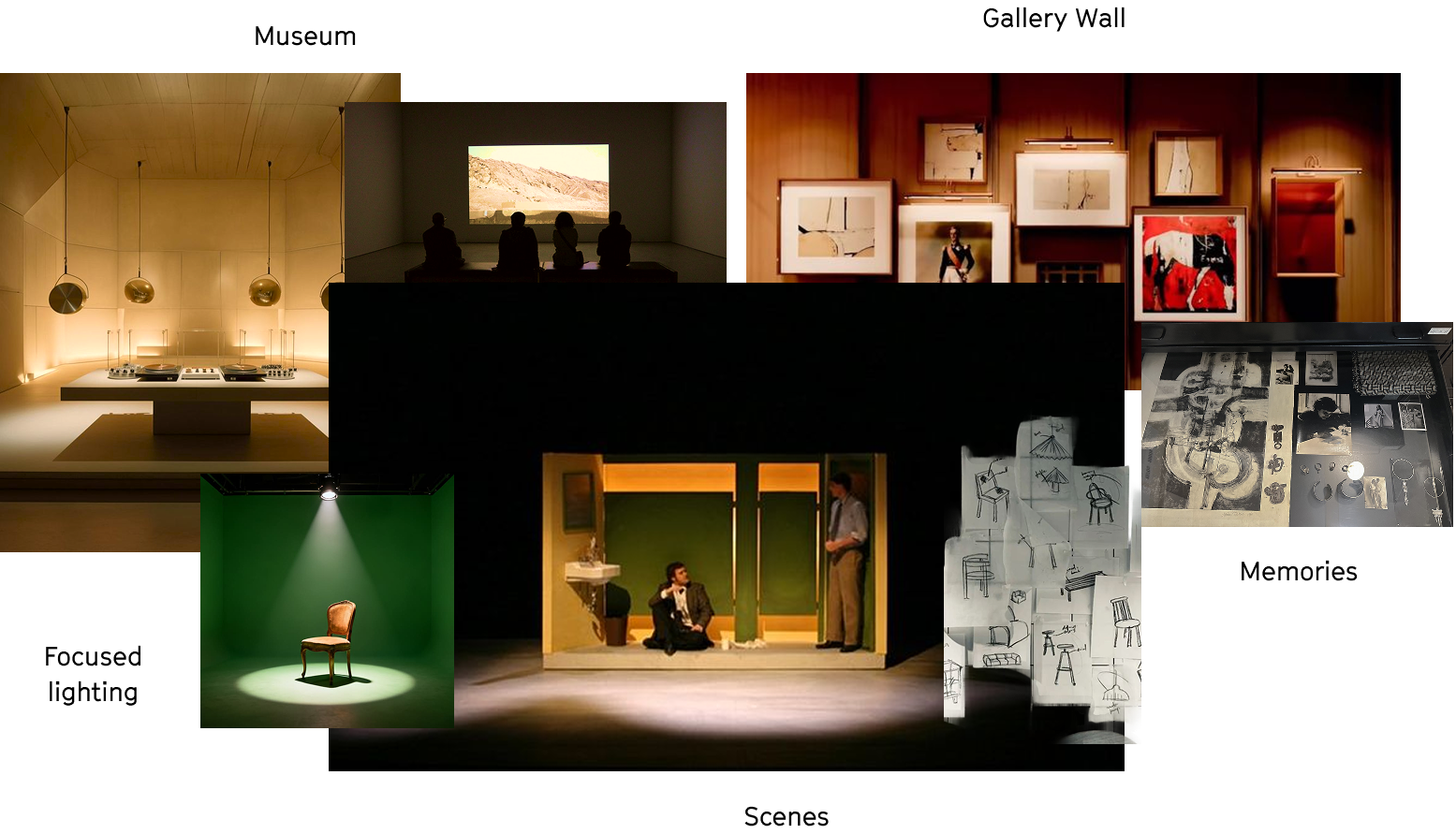
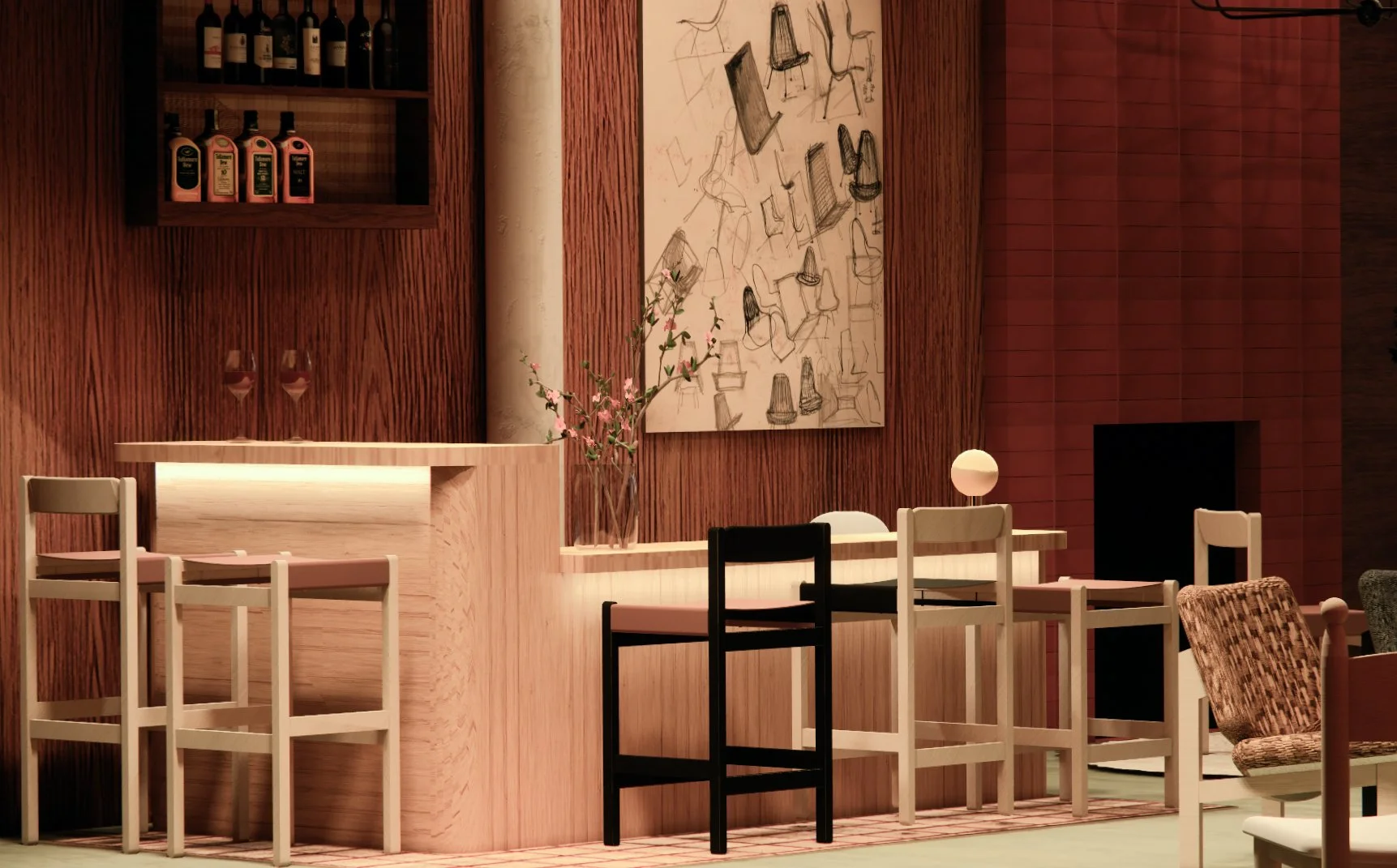
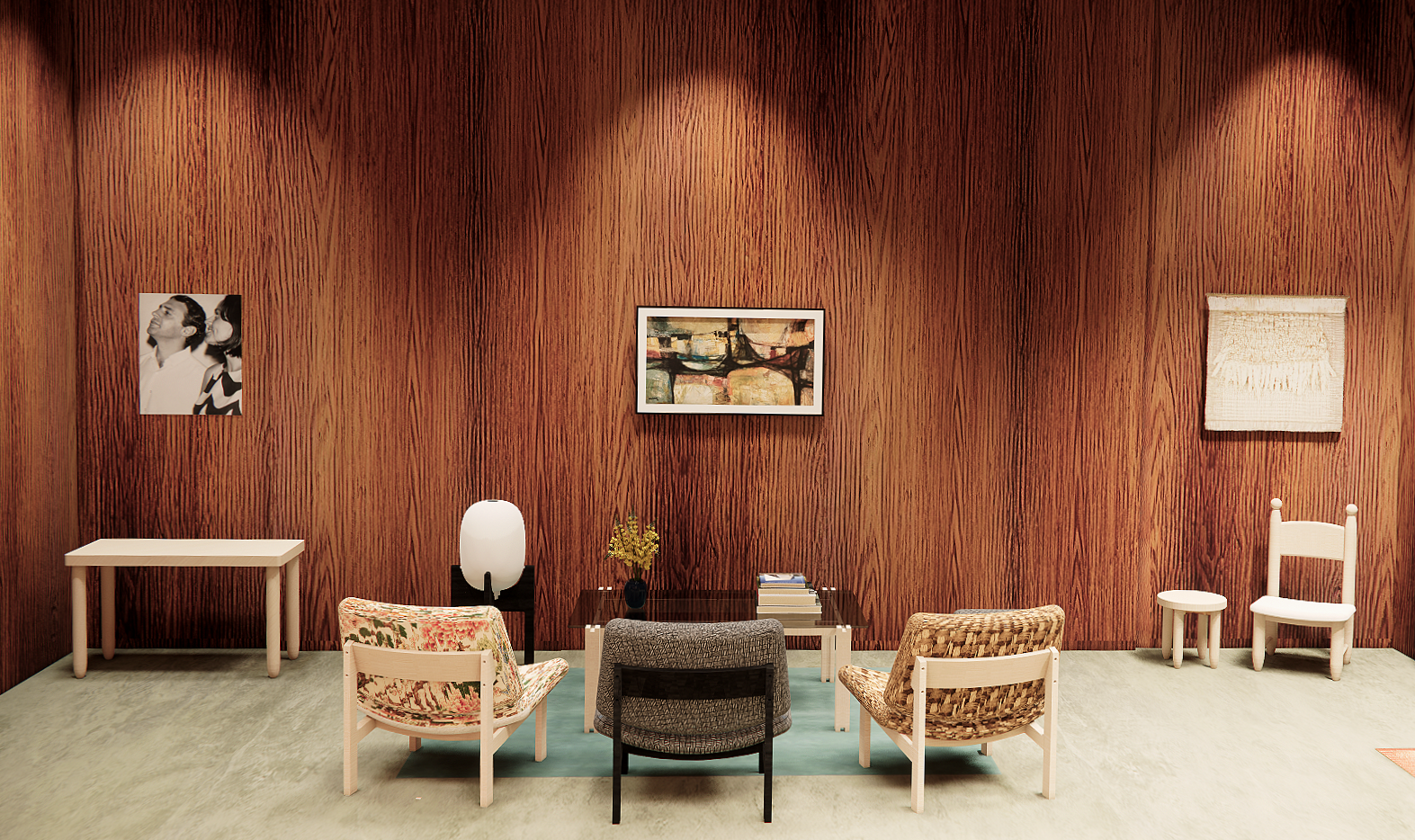
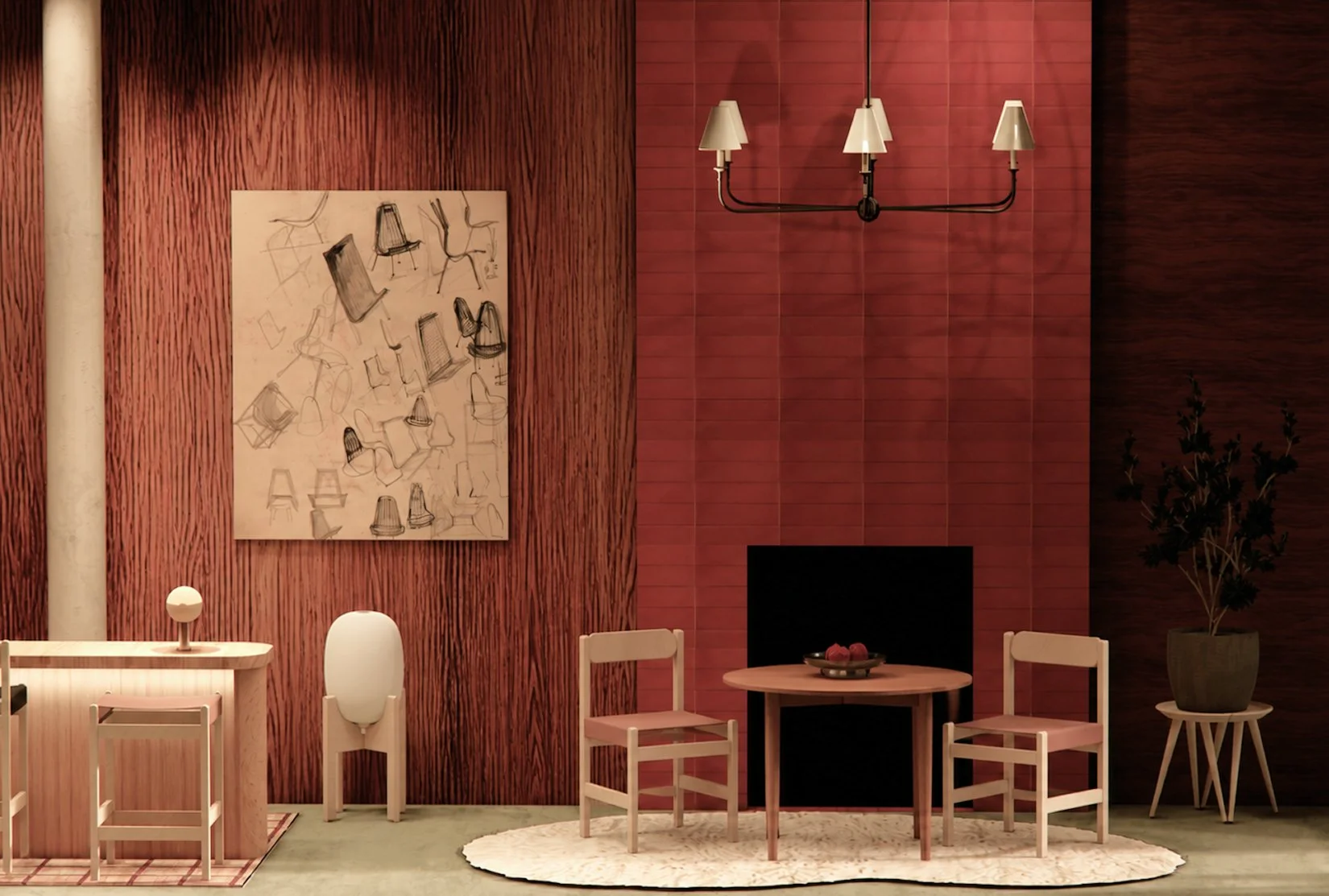
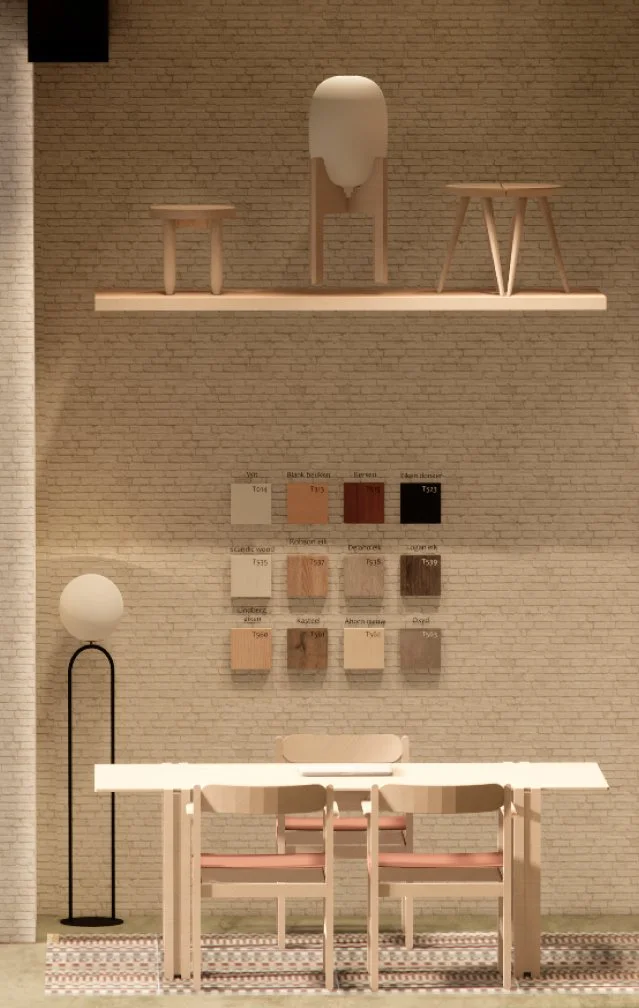
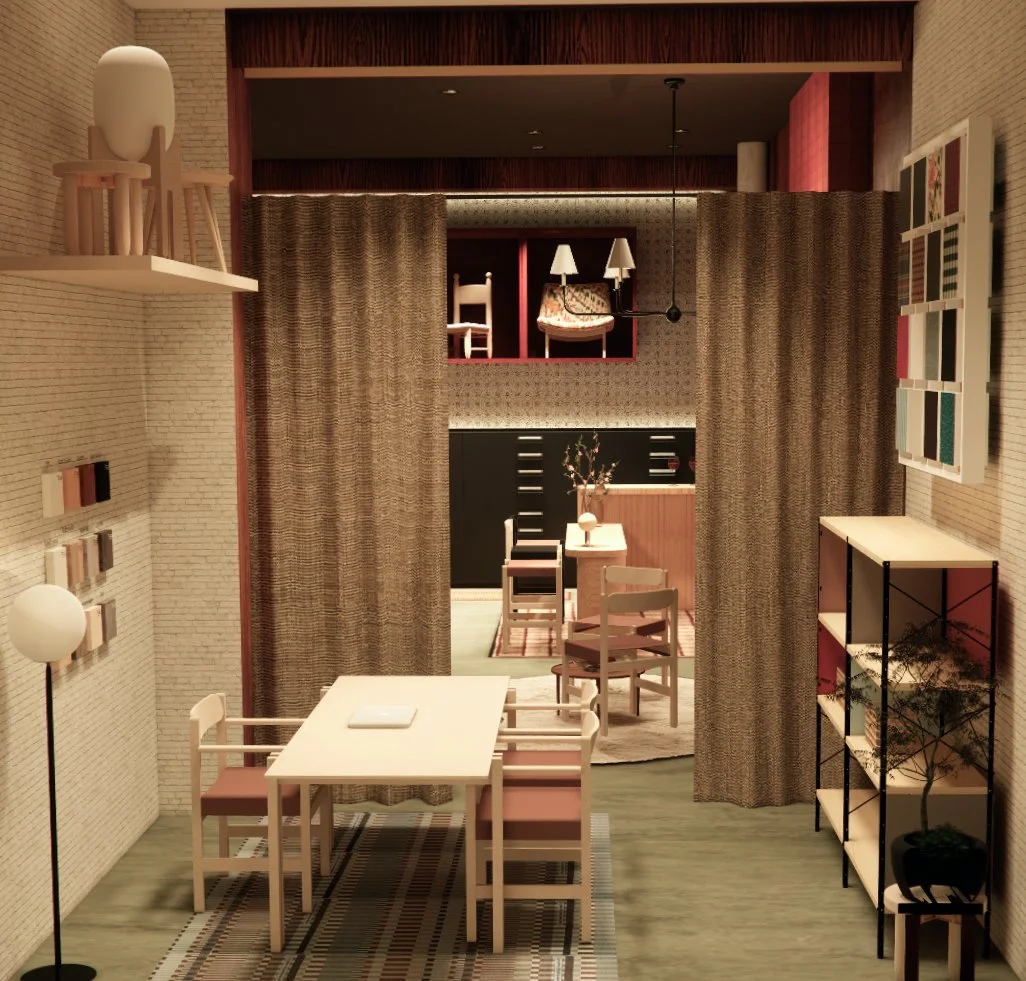
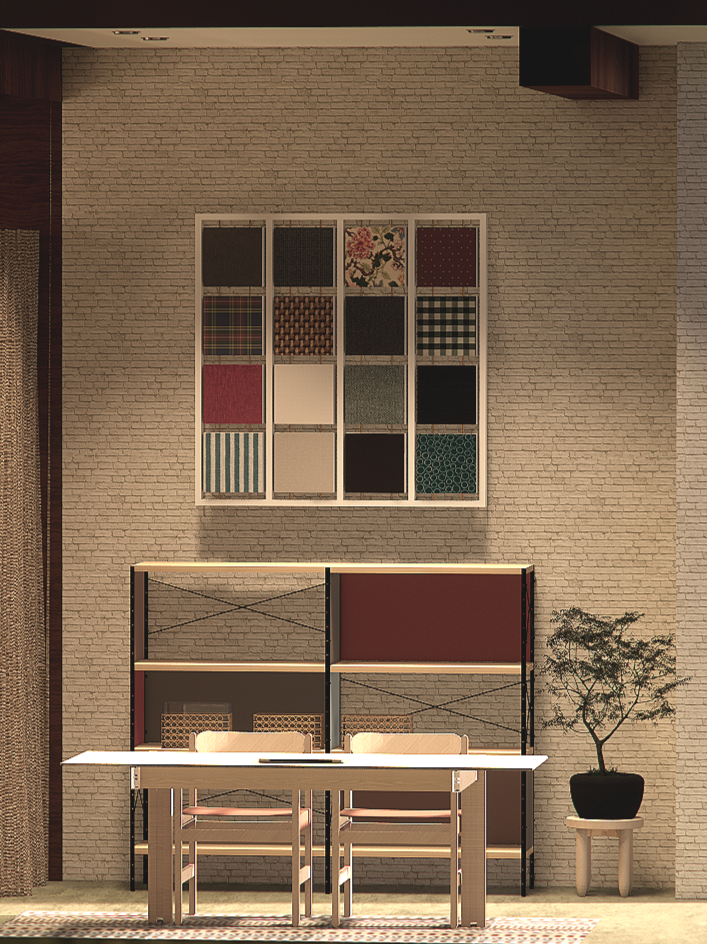
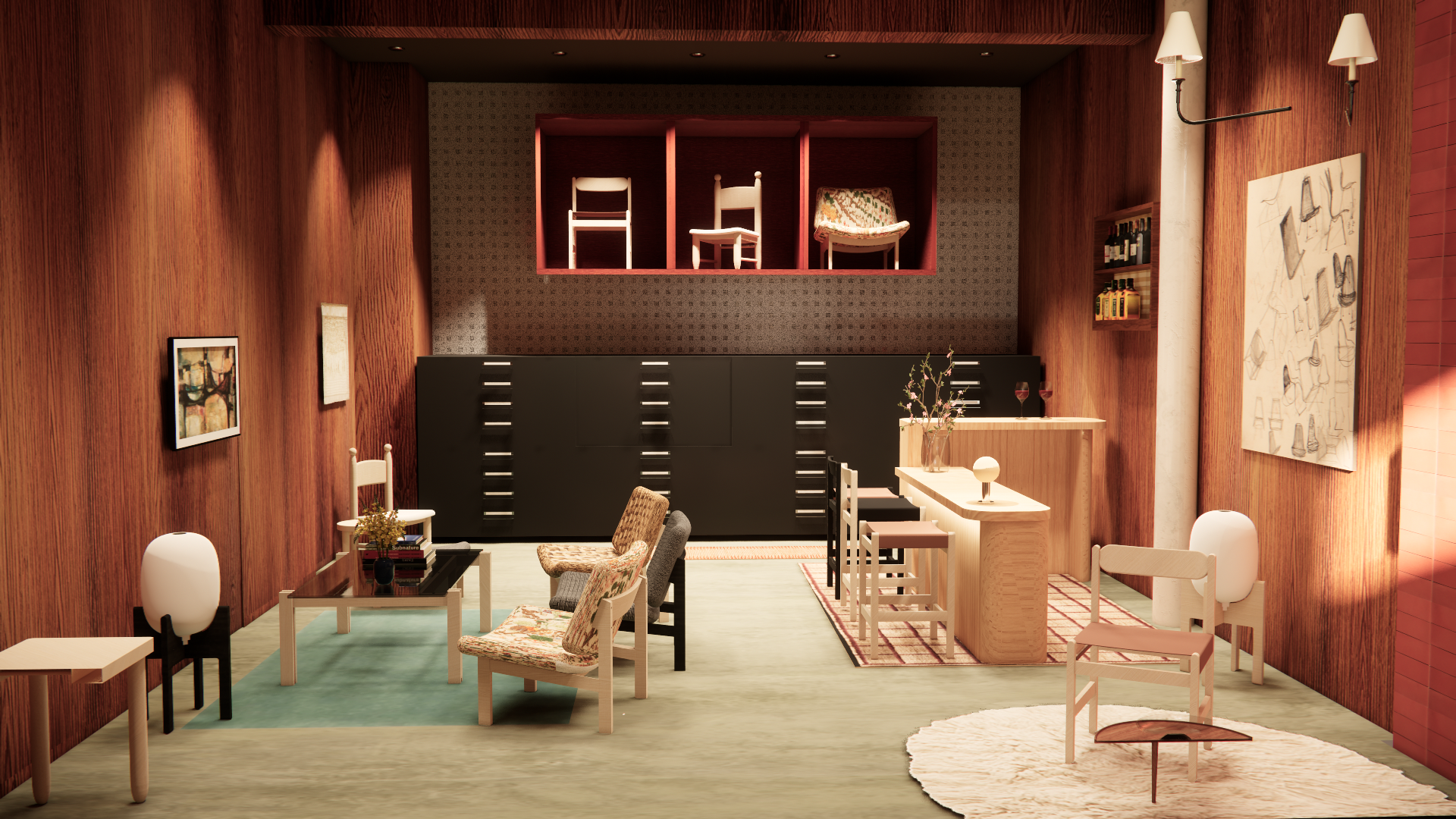
The brand’s emotional essence inspired a theatrical showroom concept that feels more like a gallery than a retail space. Furniture is displayed within curated “scenes,” to showcase its versatility and the stories it can support, with focused lighting creating moments of drama and reflection.
The concept, Holding Presence, was rooted in the enduring influence of his parents, the environment translates their support into a series of spatial experiences. The design bridges past and future, creating a living expression of legacy, continuity, and belonging.
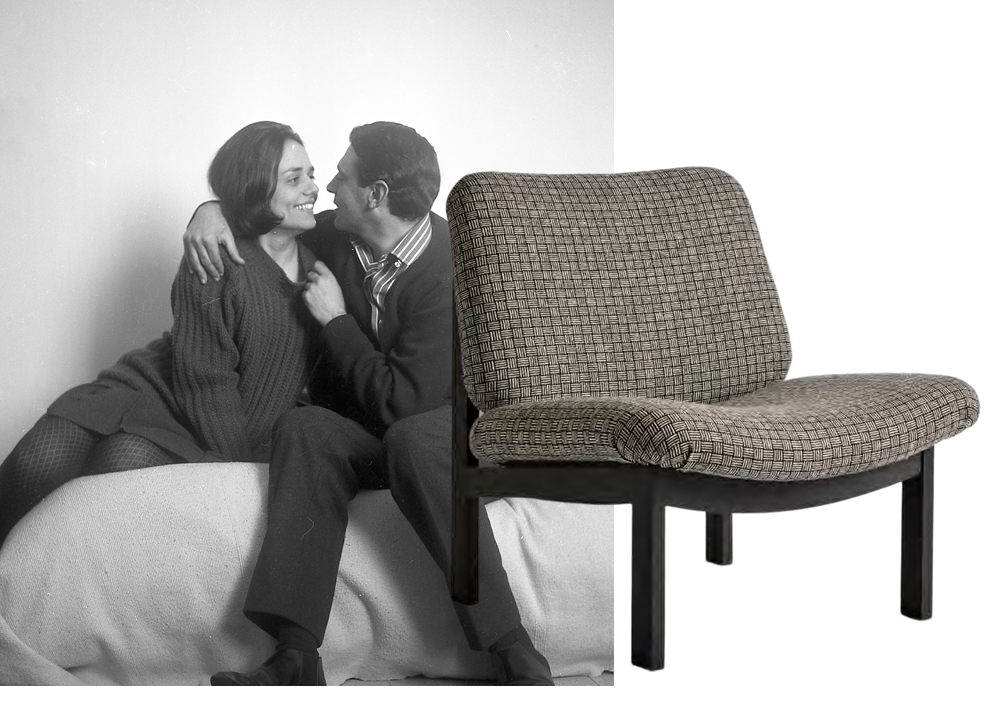

When developing the atmosphere of the space, I wanted to honor the mid-century heritage of the furniture while exploring ways to present the pieces beyond the minimalist settings they are often associated with.